

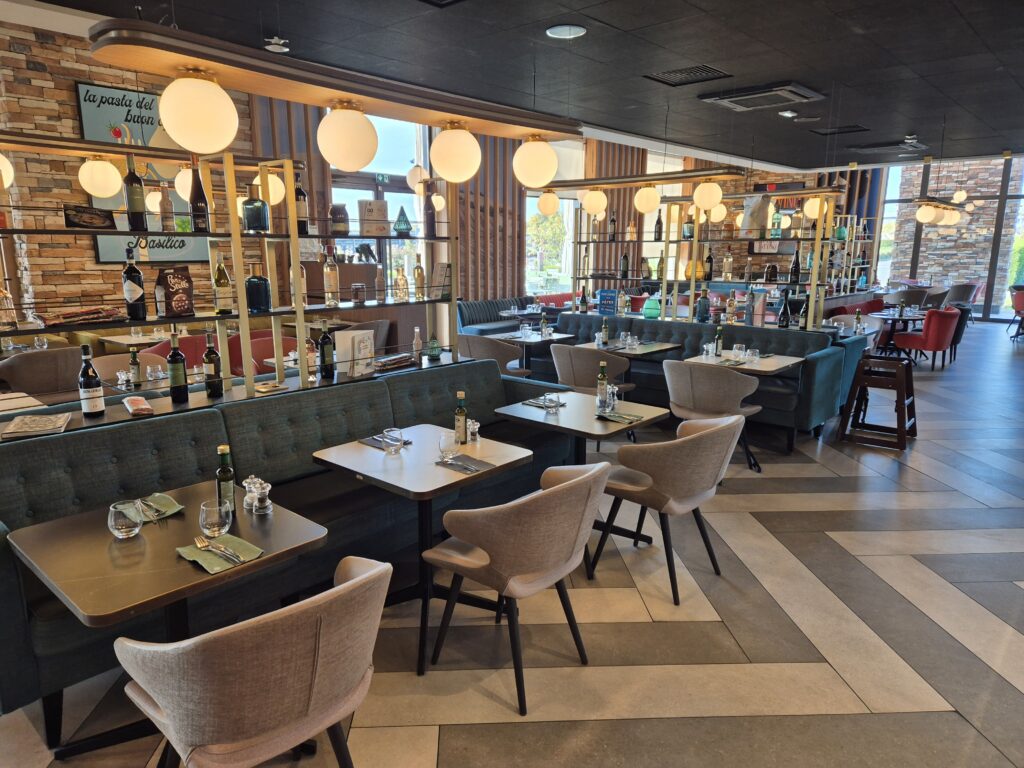
A family reunion is one of those magical occasions that brings families together over a meal, shared memories and infectious laughter. But when the event involves more than 50 people, organising it can quickly become a real logistical challenge. Who’s in charge of the meal? Where shall we meet? How shall we keep everyone entertained throughout the day? Don’t panic: here’s the complete guide to organising a successful, memorable and stress-free family reunion.
1. Start by laying the groundwork for the event
First and foremost, you need to lay the groundwork for your family reunion. The first step is to choose a date that suits as many people as possible. To do this, use an online polling tool such as Doodle or Framadate: suggest several weekends over a period of two to three months, and let family members vote. Start planning at least three to four months in advance — or even six months if your family is very large or spread out geographically.
Next, set up an organising committee. You don’t have to do everything on your own! Divide the responsibilities among several volunteers: one can handle communications, another the activities, a third the catering, and a fourth the logistics. Setting up a WhatsApp group or a shared online space (Google Drive, Notion) to centralise information makes coordination much easier.
2. Choosing the right venue for 50 people or more
Choosing the venue is crucial. A private property (such as a garden or a large family home) may work, but it often comes with significant limitations: insufficient toilet facilities, a lack of seating, and parking issues. For a family reunion with more than 50 guests, it is often more practical to opt for professional venues.
Village halls are a cost-effective option, but they require more organisation (arranging catering, hiring equipment, and planning the decorations). Country estates or function rooms offer a more comfortable all-inclusive setting. Group restaurants, which specialise in hosting large parties, are also an excellent alternative: they take care of the meal, the service and often the layout of the room, thereby relieving you of a major burden.
3. Manage invitations and track attendance
For a family reunion, the guest list can include many different branches of the family. Start by drawing up a simplified family tree so that you don’t overlook any branches. Send out invitations by email, but also by post for those who aren’t so tech-savvy. Set a firm deadline for replies — at least six weeks before the event — so that you can finalise the bookings.
Use a spreadsheet (Excel or Google Sheets) to record confirmed attendance, special dietary requirements (vegetarian, gluten-free, allergies, etc.), accommodation needs and transport arrangements. This information is essential for planning the meal effectively and anticipating any logistical requirements.
4. Organise a convivial meal suitable for everyone
The meal is often the highlight of the family reunion. There are several options available depending on your budget and preferences. A buffet encourages socialising and allows everyone to eat at their own pace, whilst easily accommodating different dietary requirements. A sit-down meal at a restaurant for groups, with a set menu agreed in advance, offers a more structured and elegant setting. A potluck meal, where each family brings a dish, enhances the friendly and authentic atmosphere of the event.
Whichever option you choose, plan your quantities in advance: allow around 250 to 300 grams of meat or fish per person, and always allow for a little extra. For drinks, allow 50 cl of wine and 1 to 1.5 litres of non-alcoholic drinks per adult for the day. And don’t forget to set aside a dedicated area for the children, with suitable meals and a table at their height.
5. Host the event to create unforgettable memories
A successful family reunion is also a well-structured day. Plan a programme with different segments: a welcome drink to allow the first arrivals to catch up, the main meal, a break for activities in the middle of the afternoon, and then a snack or a festive dessert to round off the day.
Activities are essential for keeping the atmosphere lively and encouraging interaction between cousins of different generations. A family quiz featuring questions about family history and old photographs is always a laugh. A giant family tree to complete together, displayed on a large board, creates a wonderful shared memory. Outdoor games — pétanque, tug-of-war, a treasure hunt for the children — liven up the afternoon in a natural way. A guest book or a collaborative photo album, where each family contributes photos and writes a message, makes for a precious keepsake. Finally, some musical entertainment — a cousin who plays the guitar, an entertainer or a carefully curated playlist — puts everyone in a good mood.
6. Managing logistics on the day
On the day of the event, everything must run like clockwork. Appoint a ‘master of ceremonies’ to ensure that everything goes according to plan. Prepare a list of emergency contacts (caterer, venue, host) and always have a plan B in case of rain if the event is being held outdoors.
To make it easier for everyone to find one another, consider providing name badges with each guest’s first name and family branch — this is particularly useful at large family reunions where some members haven’t seen each specific for years. Also arrange a car-sharing scheme or a shuttle service if the venue is difficult to reach, and make sure you’ve sorted out parking if you’re using a private venue.
7. After the family reunion: keeping the magic alive
Once the day is over, the work isn’t quite done yet! Send a summary by email to all participants: a thank-you note, a few souvenir photos, and perhaps a satisfaction survey to help improve the next event. Creating a shared online photo album allows everyone to view the photos and add their own.
And if you enjoyed the event, why not start talking about the next family gathering? Some families make it an annual or biennial event, with different branches taking turns to organise it. It’s a lovely way to keep family ties alive, from one generation to the next.
Conclusion
Organising a family reunion for more than 50 people requires forward planning, coordination and a good dose of enthusiasm. But with careful organisation, the right partners — particularly a restaurant suitable for large groups — and well-planned activities, you have everything you need to create a memorable event. A family reunion is much more than just a meal: it’s a journey back in time, a chance to reconnect as a family, and the creation of memories that will last for generations.